Source Adjustable Flow Hand Fertilizer Applicator for Corn, Wheat, and Tubers
Find and compare 30 Adjustable Flow Hand Fertilizer Applicator models designed for precision sowing in agriculture. Evaluate options featuring semi-automatic and manual mechanization, varying tank capacities, and continuous or selective ditching modes to match your specific crop requirements.
Key considerations
Products List


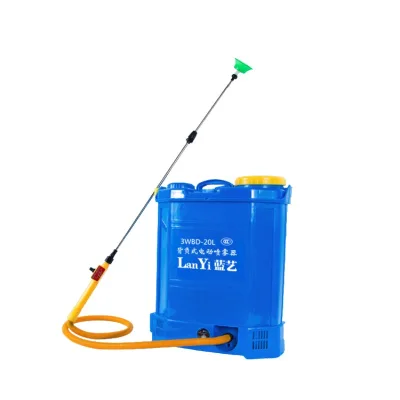
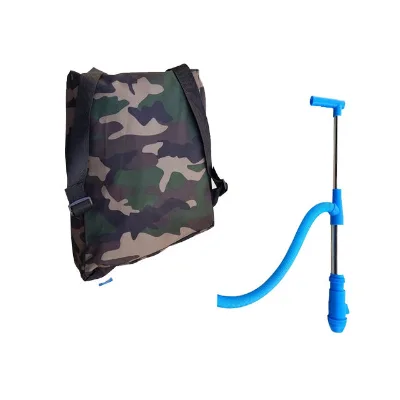
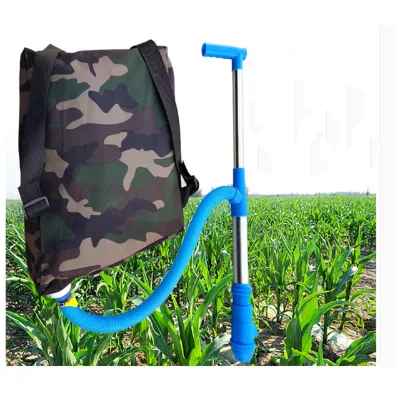
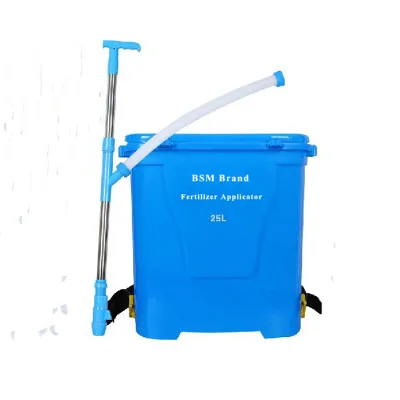
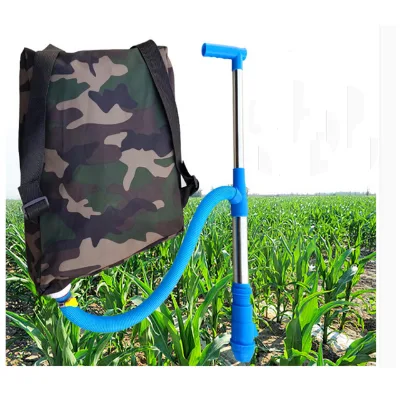
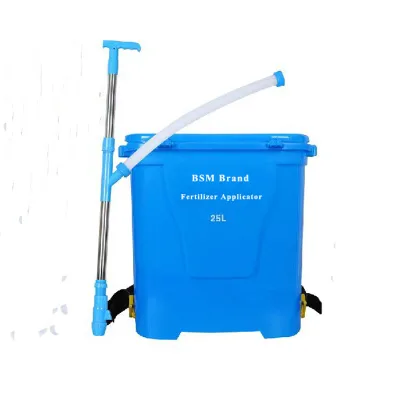
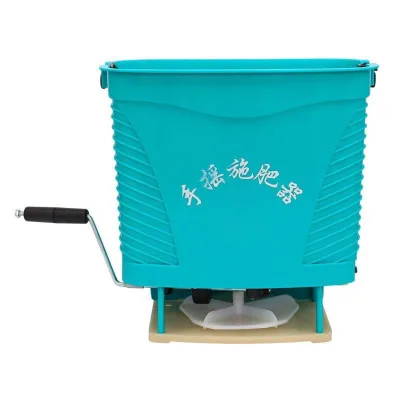
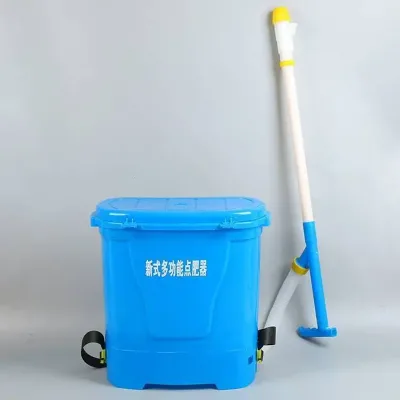
Backpack Type Hand Hold Seed Fertilizing Machine Farm Fertilizer Applicator
$30.00 - $36.50
MOQ: 99 Pieces




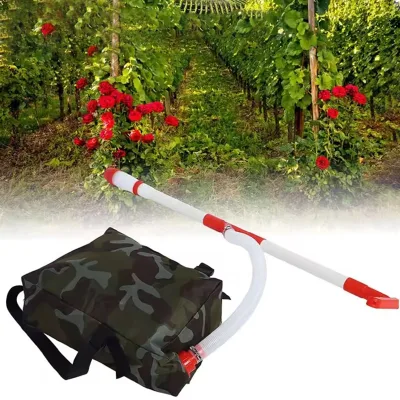
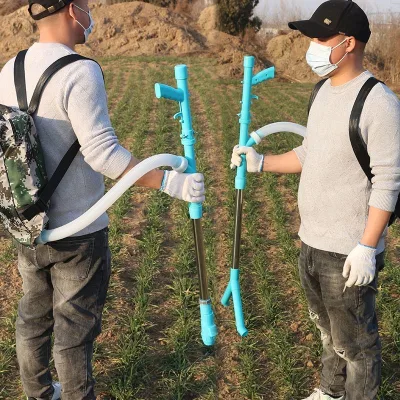
Comprehensive Sourcing Guide
Adjustable Flow Hand Fertilizer Applicator Sourcing Guide
The Adjustable Flow Hand Fertilizer Applicator represents a critical tool for precision agriculture, allowing operators to modulate the rate of nutrient delivery without stopping to recalibrate the entire unit. These devices are designed to bridge the gap between manual broadcasting and fully automated machinery, offering a balance of portability and controlled distribution for small to medium-scale farms. Buyers should prioritize models that explicitly support variable flow rates, as this feature directly impacts crop yield consistency and reduces the risk of fertilizer burn on sensitive plants like tubers, fruit trees, and beans.
When evaluating the market, procurement teams must distinguish between units labeled as semi-automatic and those requiring manual labor, as the mechanization level dictates the physical workload and operational speed. The observed product landscape includes machines with tank capacities ranging from 5kg to 20kg, indicating that the choice of capacity is a primary decision factor based on the scale of the field and the frequency of refilling required. Understanding these distinctions ensures that the selected equipment aligns with the specific labor constraints and throughput needs of the agricultural operation.
Product Scope and Observed Listing Signals
The current market for hand fertilizer applicators displays a wide variance in application scope, with listings covering diverse crops such as corn, wheat, rice, and various fruit trees. Buyers must carefully cross-reference the stated application list with their specific crop rotation plans, as some models are optimized for continuous ditching while others support selective ditching modes. The presence of both precision seeder and broadcast seeder attributes in the listings suggests that the core keyword often encompasses a family of tools rather than a single uniform device, requiring the buyer to verify the specific sowing method intended for their soil conditions.
Listing signals regarding packaging and dimensions provide early indicators of the product's intended logistics and storage requirements. Observed data shows packing standards ranging from standard cartons to international packing specifications, with carton sizes varying significantly from compact 60x30x30cm units to larger 88x44x70cm configurations. These physical attributes are not merely descriptive; they directly influence the number of units that can be shipped per container and the storage footprint required at the farm level, making them essential data points for supply chain planning before finalizing a purchase order.
Technical Specifications to Verify
Verification of the mechanization type is the first critical technical step, as the market contains both manual labor-driven units and semi-automatic or simple planting machines. A buyer must confirm whether the device relies solely on human power or if it incorporates mechanical assistance for the ditching and fertilizing process, as this determines the operator's endurance and the maximum daily coverage area. The distinction between continuous and selective ditching modes is equally vital, as continuous modes are generally suited for row crops like corn and wheat, whereas selective modes offer greater flexibility for orchards or irregular terrain.
Capacity and weight specifications must be validated against the physical capabilities of the intended operators and the terrain of the application field. Observed weights range from 3.5kg to 14kg, with tank capacities varying from 5kg to 20kg, meaning a heavier unit with a larger tank may offer efficiency gains but could become a burden on steep slopes or during long shifts. Additionally, the fertilization depth, which is observed to range from 3-10cm in some models, must be adjustable to match the specific root depth requirements of the target crop, ensuring that nutrients are placed where they can be most effectively absorbed by the plant.
Compliance and Safety Documentation
While specific certification data in the provided listings is limited to ISO9001 for new condition products, buyers should not assume that all listed units carry this certification without explicit verification. The presence of ISO9001 indicates a manufacturer's commitment to quality management systems, but it does not automatically guarantee product safety or compliance with local agricultural machinery regulations. Procurement teams must request current certification documents for every batch, ensuring that the quality management system covers the specific manufacturing processes used for the adjustable flow mechanisms and structural integrity of the applicator.
Safety documentation should extend beyond general quality certifications to include specific operational manuals and risk assessments for the mechanical components. Since these devices often involve moving parts for fertilizer distribution and ditching, clear instructions on safe operation, maintenance, and emergency stop procedures are mandatory. Buyers should verify that the supplier provides documentation in the local language of the end-user and that the product design minimizes the risk of clogging or accidental discharge, which are common hazards in manual fertilizer application equipment.
Cost Drivers and Commercial Terms
The cost of an Adjustable Flow Hand Fertilizer Applicator is heavily influenced by the level of mechanization and the complexity of the flow control system. Units described as semi-automatic or automatic generally command higher prices than those relying purely on manual labor, reflecting the additional engineering required for consistent flow adjustment and mechanical durability. Buyers should analyze the price range of 2.3 to 100 USD observed in the market, understanding that lower prices may correlate with simpler designs or lower capacity tanks, while higher prices likely reflect enhanced features like precision seeding capabilities or more robust construction materials.
Minimum Order Quantity (MOQ) and packaging configurations are significant commercial terms that affect the total landed cost and inventory management strategy. The observed MOQ range spans from 1 to 2000 units, with specific listings showing MOQs of 20 or 100, which can create barriers for small-scale buyers or opportunities for bulk discounts for larger operations. Furthermore, the packing density, such as 4 or 6 pieces per carton, directly impacts shipping efficiency; buyers should calculate the cost per unit including freight based on the specific carton dimensions and weight to ensure the commercial terms align with their budget and logistics capabilities.
Supplier Qualification and Quality Control
Supplier qualification should begin with a rigorous review of the product origin and the specific manufacturing standards cited in the listing. The observed data indicates origins in China and specific regions like Hubei, which are known agricultural machinery hubs, but buyers must verify the specific factory's capacity to maintain consistent quality across different batches. The presence of a model number, such as Mf-8 or AM-FA7, allows for traceability, but the buyer must ensure that the supplier can provide consistent specifications for these models, particularly regarding the adjustable flow mechanism which is the core functional requirement.
Quality control protocols must be established to verify that the physical attributes, such as weight and tank capacity, match the product description exactly. Discrepancies in weight, which can vary from 3.5kg to 14kg depending on the model, may indicate the use of inferior materials or incomplete assembly. Buyers should implement a pre-shipment inspection process that tests the flow adjustment mechanism under load to ensure it operates smoothly and does not leak, as these are the most common failure points in hand-operated fertilizer applicators that could lead to product rejection and supply chain delays.
Long-Term Procurement Checks
Long-term procurement success depends on the availability of spare parts and the durability of the adjustable flow components over time. Buyers should inquire about the expected lifespan of the flow control valves and the availability of replacement parts for the tank and distribution mechanisms, as these are high-wear items that will require maintenance. The observation of different tank capacities and weights suggests that different models may have different wear patterns, so the supplier must demonstrate a track record of supporting the specific models being purchased with a reliable supply chain for consumables and spare parts.
Sustainability and adaptability of the equipment to changing agricultural practices should also be a key consideration for long-term contracts. As farming practices evolve, the ability to adjust the fertilizer application rate for different crops or soil types becomes increasingly important. Buyers should assess whether the supplier offers upgrades or modifications to the existing models to accommodate new crop types or regulatory changes, ensuring that the initial investment remains viable and effective for years rather than just a single season. This forward-looking approach mitigates the risk of obsolescence and ensures a stable supply of efficient agricultural tools.
FAQs
What mechanization types are available for this applicator?
Available mechanization types include semi-automatic, automatic, and simple planting machines. These options allow buyers to select equipment based on their specific labor requirements and operational scale for crops like corn, wheat, and tubers.
Which fertilizing distances can be achieved with these machines?
Specific models support a fertilizing distance of 24cm. This dimension ensures precise application for various crops including fruit, trees, beans, and peanuts when using the full-size fertilizer configuration.
Can the product be customized for specific needs?
Yes, customization is available for these fertilizer applicators. Buyers can request tailored solutions to meet unique agricultural requirements while maintaining standard features like precision seeding or broadcast seeding capabilities.
What is the typical tank capacity for these units?
Tank capacities vary by model, with observed options including 5kg, 10kg, and 20kg. Some units also feature a 20L capacity, allowing flexibility for different field sizes and application frequencies.
How does the ditching mode function on these machines?
The machines offer continuous ditching and select ditching modes. This functionality supports efficient planting operations for a wide range of applications including forestry, agriculture, and livestock sectors.
What are the standard packaging dimensions for shipment?
Standard packaging dimensions include 60x30x30cm, 625-825mm, and 87x55x49cm. These carton sizes ensure safe transport while accommodating the weight and volume of the fertilizer applicators.